Fire safety is something we take extremely seriously at ISM Waste & Recycling.
As a family-run business, protecting our team, our customers, our site and the surrounding community is incredibly important to us. We also have a responsibility to protect the waste and recycling infrastructure we have invested in over many years.
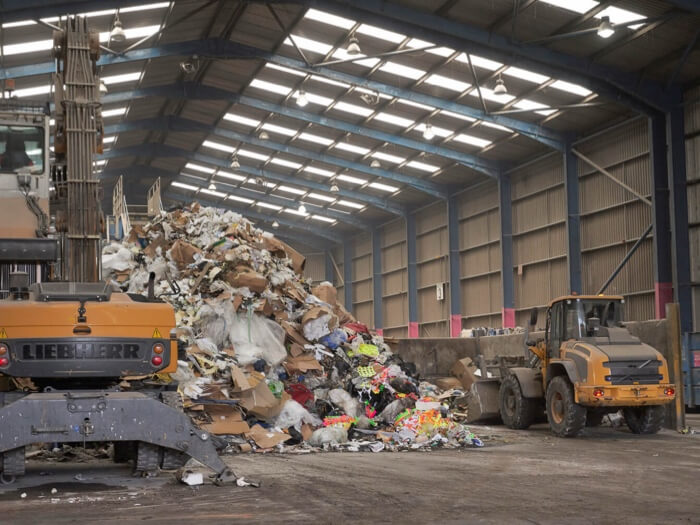
Waste facilities handle large quantities of materials every day, including cardboard, paper, plastics, wood and general commercial waste. Many of these materials can burn quickly if a fire starts, which is why prevention, early detection and a well-practised response are all essential.
The Fire Risks Facing the Waste Industry
One of the biggest challenges facing the waste industry is that we cannot always see everything that has been placed inside a bin or skip.
Items including lithium-ion batteries, disposable vapes, electrical equipment, gas canisters, flammable liquids, chemicals, hot ashes and certain aerosols can all create a serious risk if they are disposed of incorrectly.
Lithium-ion batteries are a particular concern. They can be found in everything from mobile phones and laptops to power tools, toys, e-cigarettes and other rechargeable devices.
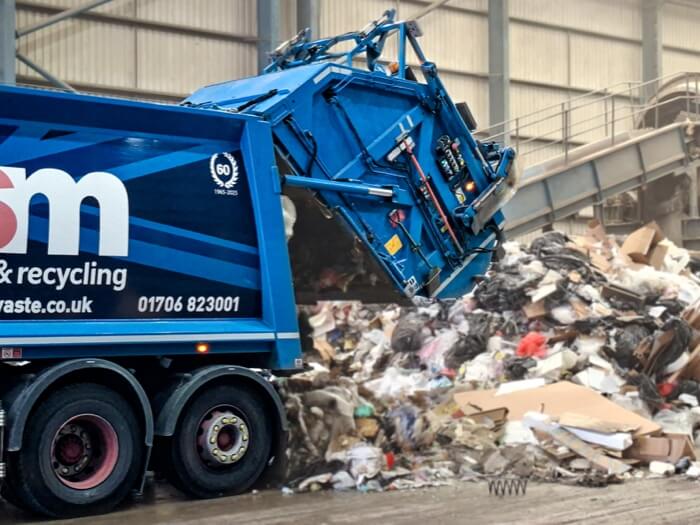
If a battery is damaged or crushed inside a waste collection vehicle or processing machine, it can overheat, spark or catch fire. The problem is that many batteries are hidden inside electrical products, making them difficult to identify once they have been mixed with other waste.
That is why fire safety is not something that begins when waste arrives at our Materials Recycling Facility. It starts with what is placed into a bin or skip in the first place.
How We Protect our Materials Recycling Facility
At ISM Waste & Recycling, we have invested in specialist fire-detection technology to protect our Materials Recycling Facility, commonly known as our MRF.
We have six flame detectors positioned across the facility.
Some of these use infrared technology, or IR. These detectors sense the distinctive infrared radiation and flickering pattern associated with a flame.
Others use dual-sensor infrared and ultraviolet technology, known as IR/UV detection. These look for both the infrared and the invisible ultraviolet radiation generated by a fire.
Having both types gives us a strong balance between detecting a genuine flame quickly and reducing the risk of false alarms in a busy working environment.
A waste-processing facility contains moving machinery, changing temperatures, dust and different materials passing through it throughout the day. Our detection system therefore needs to be both fast and reliable.
What Happens if a Detector is Triggered?
When one of our flame detectors is triggered, it activates the fire alarm and the fire and rescue service is notified.
During normal working hours, the fire and rescue service will wait briefly while our alarm monitoring provider contacts the ISM office or one of our designated key holders. This gives us the opportunity to confirm whether there is a fire in progress or whether the system has been activated by a false alarm.
Outside normal working hours, the fire and rescue service will attend immediately.
This provides important protection even when nobody is working at the facility. Waste can retain heat and a fire may develop after processing has finished, so having continuous detection and a monitored response is essential.
Regular Testing Keeps the System Ready
Fire safety equipment cannot simply be installed and forgotten about.
We test our flame detectors every six months using a controlled fire. This confirms that the detectors can recognise the characteristics of a genuine flame and activate the appropriate alarm response.
We also test the wider fire alarm system every week.
These regular checks help us identify any potential problems quickly and give us confidence that the system is ready should it ever be needed.
For me, good fire safety is about having several layers of protection. Technology is an important part of that, but so are regular testing, clear procedures, trained employees and preventing unsuitable materials from entering the waste stream.
Our Customers Play an Important Role Too
We work closely with our customers to make sure they understand what can and cannot go into our bins and skips.
Correct waste segregation protects:
- Employees at our customers’ premises
- Our drivers and collection teams
- People working inside our MRF
- Emergency service personnel
- Nearby businesses and residents
- The wider environment
It also helps us recycle materials more effectively and prevents contamination.
If customers are ever unsure about an item, we would much rather they contact us before putting it into a bin or skip. A quick question could prevent a hazardous item from being crushed, compacted or processed alongside ordinary waste.
Batteries, disposable vapes and battery-powered electrical items should never be placed into general waste or mixed recycling unless we have specifically confirmed an appropriate collection arrangement.
These items should be stored separately and handled through a suitable waste stream. Any battery that is damaged, swollen, leaking or overheating should be isolated safely and specialist advice should be sought.
Fire Safety is a Shared Responsibility
Everyone involved in the waste journey has a part to play in preventing fires.
Businesses need to understand the waste they produce and separate potentially hazardous items. Waste companies must provide clear advice, train their employees, maintain their equipment and have effective systems for detecting and responding to incidents.
At ISM Waste & Recycling, our fire-safety measures include:
- Six specialist flame detectors protecting our MRF
- A combination of IR and dual-sensor IR/UV technology
- A monitored fire alarm connected to an emergency response
- Immediate fire service attendance outside working hours
- Controlled testing of our flame detectors every six months
- Weekly fire alarm tests
- Clear guidance for customers about what can and cannot be placed in our containers
We are proud to be a long-standing, family-run waste and recycling company, but that also means we never take the trust placed in us for granted.
Fire safety may not be the first thing a customer thinks about when arranging a commercial waste collection or hiring a skip. However, it is a vital part of operating a safe, reliable and responsible waste-management service.
If you are ever unsure whether something can go into your ISM bin or skip, please speak to our team first. We are always happy to offer straightforward advice and help you find the correct disposal route.
Peter Allen Director, ISM Waste & Recycling
Frequently Asked Questions About Fire Safety and Waste
Waste fires can be caused by unsuitable items entering the waste stream, including damaged batteries, electrical equipment, hot ashes, gas canisters and flammable substances. Machinery can crush or damage these items during collection and processing, potentially causing heat, sparks or flames.
No. Batteries, disposable vapes and electrical items containing batteries should be kept separate and disposed of through an appropriate battery or electrical-waste collection service. Customers should contact ISM Waste if they are unsure about the correct disposal route.
A flame detector is a specialist sensor designed to identify radiation and flickering patterns associated with a flame. ISM uses both infrared detectors and dual-sensor infrared/ultraviolet detectors within its Materials Recycling Facility.
ISM Waste has six flame detectors protecting its Materials Recycling Facility.
Our flame detectors are tested every six months using a controlled fire. The wider fire alarm system is tested every week.
Contact the ISM Waste team before placing the item into the container. We can advise whether it is accepted or if a separate, specialist collection is required.