Running a business comes with plenty of responsibilities. Looking after your staff, keeping customers happy, managing finances, staying compliant with legislation… the list sometimes feels endless.
One responsibility that can occasionally slip under the radar is your Waste Duty of Care.
Whether you run a small office, busy restaurant, retail shop, manufacturing facility or construction company, every business that produces waste has a legal responsibility to ensure it is handled correctly. The good news? Staying compliant doesn’t need to be complicated.
With the right waste management partner, your legal obligations become simple, your recycling improves and you can focus on what you do best. Running your business.
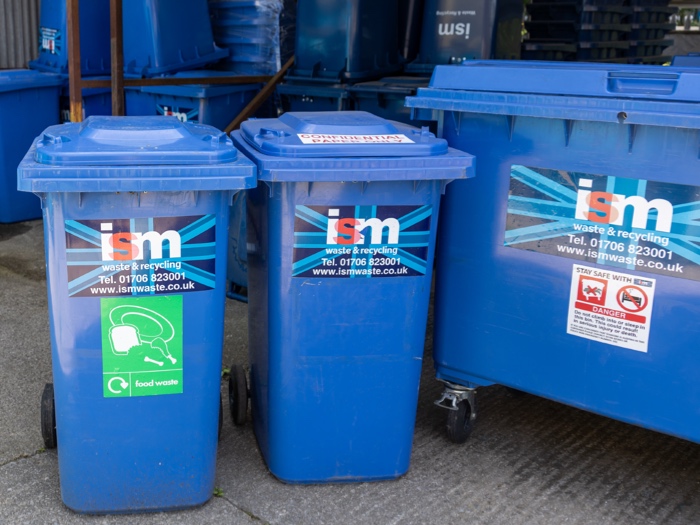
At ISM Waste, we help businesses across Greater Manchester and Lancashire manage their commercial waste responsibly, providing reliable collections, expert advice and complete waste traceability every step of the way.
What Is Waste Duty of Care?
Waste Duty of Care is a legal requirement set out under the Environmental Protection Act 1990.
In simple terms, if your business produces waste, you’re responsible for it from the moment it’s created until it’s safely recycled, recovered or disposed of.
That responsibility doesn’t end when the bin lorry drives away.
Your business remains responsible for ensuring your waste has been passed to an authorised waste carrier and taken to a licensed facility.
It’s about protecting the environment, preventing illegal waste disposal and ensuring businesses manage waste responsibly.
Does Waste Duty of Care Apply to My Business?
In one word… Yes.
Almost every business produces waste.
Examples include:
- Offices
- Restaurants and cafés
- Retail stores
- Warehouses
- Manufacturing businesses
- Construction companies
- Schools
- Healthcare providers
- Hotels
- Hairdressers
- Estate agents
- Gyms
- Charities
Even if your business only fills one small bin each week, you still have legal responsibilities.
What Counts as Business Waste?
Many people assume commercial waste only includes large industrial skips.
In reality, business waste includes almost anything your organisation throws away.
This can include:
- General waste
- Cardboard
- Paper
- Plastic packaging
- Glass bottles
- Food waste
- Metal
- Wood
- Electrical equipment
- Confidential waste
- Construction waste
- Hazardous waste
- Garden waste
If it’s produced as part of running your business, it falls under your Duty of Care.
Your Legal Responsibilities
Every business has several responsibilities under Waste Duty of Care legislation.
These include:
- Store Waste Safely
- Waste should be stored securely to prevent pollution, spills, litter and access by pests
- Containers should be suitable for the type of waste and kept in good condition
Separate Waste Where Possible
Separating recyclable materials makes recycling easier and helps reduce the amount sent to landfill.
Typical recycling streams include:
- Cardboard
- Paper
- Glass
- Plastic
- Food waste
- Metal
- Dry mixed recycling
Good segregation also helps businesses reduce waste costs.
Use a Registered Waste Carrier
One of the biggest mistakes businesses make is using an unlicensed waste carrier because they offer a cheaper price.
If your waste is fly-tipped after collection, your business could still face enforcement action.
Always check that your waste contractor is properly licensed.
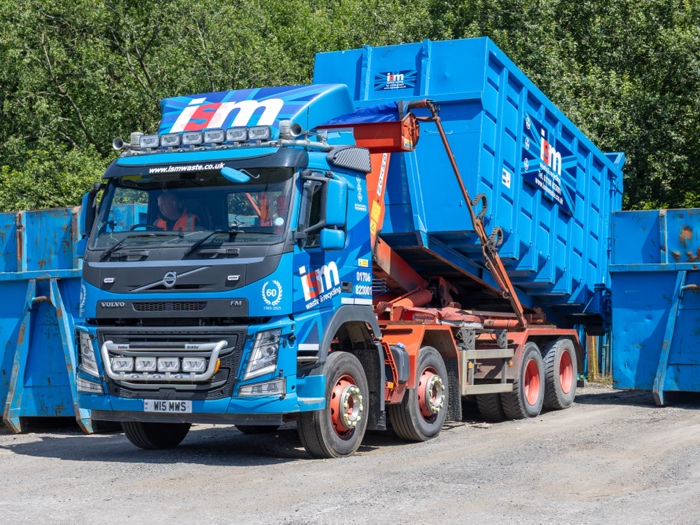
At ISM Waste, all collections are carried out fully in line with Environment Agency requirements, giving customers complete peace of mind.
Complete Waste Transfer Notes
Whenever non-hazardous waste changes hands, a Waste Transfer Note (WTN) should be completed.
This records:
- Who produced the waste
- Description of the waste
- Quantity
- Collection date
- Who collected it
- Where it’s going
These documents should be retained for at least two years.
Hazardous Waste Documentation
Some waste requires additional paperwork.
Examples include:
- Chemicals
- Paint
- Oils
- Solvents
- Batteries
- Asbestos
- Certain electrical equipment
Hazardous waste must be accompanied by a Hazardous Waste Consignment Note.
Keep Accurate Records
Keeping documentation organised demonstrates compliance should your business ever be inspected.
Digital record keeping has made this much easier than in years gone by.
The Waste Hierarchy
Legislation encourages businesses to follow the Waste Hierarchy.
The order is:
- Prevent waste
- Reuse materials
- Recycle
- Recover energy
- Dispose to landfill
The aim is simple.
Send as little waste to landfill as possible.
At ISM Waste we’re proud to help customers achieve up to 95% landfill diversion through advanced recycling systems.
Common Waste Duty of Care Mistakes
Many businesses unknowingly breach legislation.
Some of the most common mistakes include:
- Mixing recyclable materials with general waste
- Failing to keep Waste Transfer Notes
- Using an unlicensed waste carrier
- Allowing waste to overflow
- Poorly labelled bins
- Incorrect hazardous waste disposal
- No recycling system
- Staff receiving no waste training
Fortunately, these issues are usually straightforward to fix with the right support.
Why Recycling Supports Compliance
Good recycling isn’t just good for the environment.
It also helps businesses comply with legislation.
Separating recyclable materials reduces contamination, improves waste reporting and demonstrates environmental responsibility.
Many organisations also find they reduce waste disposal costs through improved recycling.
It’s a win for compliance, sustainability and your bottom line.
Choosing the Right Waste Management Company
Your waste contractor should be more than just someone who empties bins.
They should become a trusted partner who helps your business remain compliant while improving recycling performance.
When choosing a provider, look for:
- Licensed waste carrier
- Reliable collections
- Transparent reporting
- Recycling expertise
- Local customer support
- Flexible collections
- Clear pricing
- Full waste traceability
How ISM Waste Makes Compliance Easy
At ISM Waste, helping businesses meet their Waste Duty of Care responsibilities is part of everything we do.
We support businesses across Greater Manchester and Lancashire, providing dependable commercial waste and recycling services tailored to individual requirements.
Our customers benefit from:
- Award-winning waste management services
- Reliable commercial waste collections
- Up to 95% landfill diversion
- Complete waste traceability
- Environment Agency-approved waste management facility
- Dedicated customer support
- In-house maintained fleet
- 99% attendance and successful completion rate
- Strong commitment to sustainability
- Carbon Neutral by 2050 ambitions
Whether you need regular business waste collections, recycling services, skip hire or specialist waste advice, we’re here to help.
Industry Examples
Hospitality
Restaurants and pubs generate food waste, glass and packaging every day.
Separate collections help improve hygiene while increasing recycling rates.
Offices
Paper, cardboard and mixed recycling often make up the majority of office waste.
Clear recycling stations encourage staff participation.
Retail
Packaging waste can quickly build up from deliveries.
Regular cardboard recycling keeps stockrooms organised.
Manufacturing
Industrial operations often produce multiple waste streams requiring specialist management.
Working with an experienced provider ensures legal compliance.
Construction
Construction projects generate timber, plasterboard, rubble, metals and hazardous materials.
Proper segregation improves recycling while reducing disposal costs.
The Business Benefits of Good Waste Management
Good waste management is about much more than avoiding fines.
Businesses often experience:
- Lower waste costs
- Better recycling performance
- Improved environmental credentials
- Safer workplaces
- Cleaner premises
- Greater customer confidence
- Easier compliance
- Reduced carbon footprint
Increasingly, customers and supply chains expect businesses to demonstrate sustainable practices. Managing waste properly helps achieve exactly that.
FAQs
Yes. Every business producing waste has legal responsibilities under environmental legislation.
At least two years.
No. Always use a licensed waste carrier.
If you failed to take reasonable steps when choosing your waste carrier, your business could face enforcement action.
Absolutely. We work with businesses to review waste streams, increase recycling rates and simplify compliance.
Let ISM Waste Take the Stress Out of Compliance
Understanding your Waste Duty of Care doesn’t need to be difficult.
With the right waste management partner, staying compliant becomes part of your everyday business operations.
At ISM Waste, we’re proud to support businesses throughout Greater Manchester and Lancashire with reliable commercial waste collections, expert recycling advice and fully compliant waste management solutions.
Whether you’re reviewing your current provider, improving your recycling or looking for a dependable local waste partner, our team is here to help.
Get in touch today for a tailored commercial waste solution and discover why so many businesses trust ISM Waste to keep their operations running smoothly.