
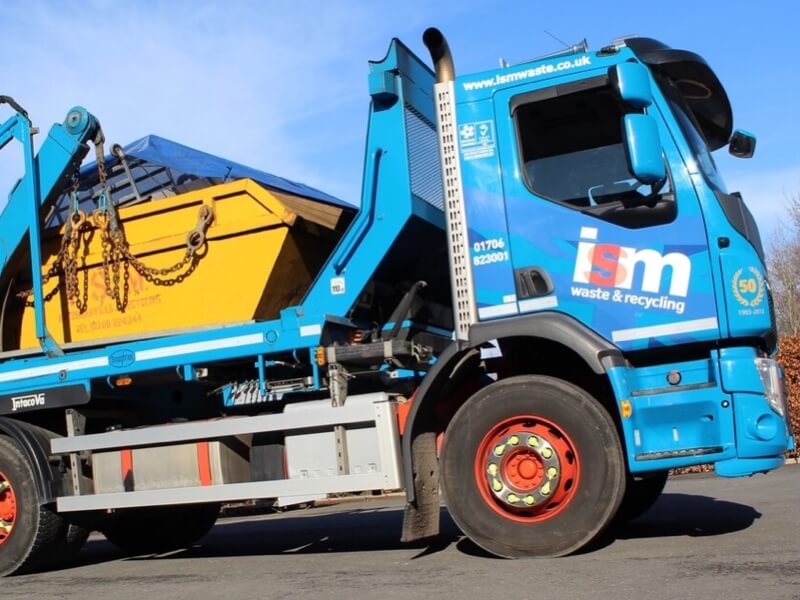
Hiring a skip can cause a few headaches if you’ve never done it before. There’s a lot of different things to consider when it comes to skip hire. To help make it all a bit easier, our skip hire guide is full of useful information to make hiring a skip stress-free and straightforward as well as how much you should expect to pay for a skip. Skip hire prices can vary for many different reasons, and getting a rough idea before deciding if a skip is best for your needs could save you a fair amount of money.
Which Size Skip Should You Hire?
The ideal size of skip depends on the amount of waste, the type of waste and, how much space you have available for the skip. Choosing the right skip sizes guarantees a cost-effective waste removal solution for most commercial and domestic needs, but it is important that you get this right.
Hiring a skip that is too small may mean that you need to hire an additional skip to remove the rest of the waste so if you hire a skip that is too large, you end up overpaying.
The larger the skip, the cheaper it works out per cubic yard of waste, but make sure you have enough waste to fill it. Otherwise, you’ll end up only filling half a skip and paying for thin air.
It’s also important to know that most councils do not allow skips bigger than an “8-yarder” to on a public highway. For more information about choosing the correct skip, check out our in-depth guide about UK skip sizes.
At ISM Waste & Recycling, we have a broad range of skip sizes to choose. Available in 4 yards, 6 yards, 8 yards, 10 yards, 12 yards, 14 yards, or 16 yards. You can be sure that we’ve got the right skip size for you.
For DIY projects around the house, mini skips (e.g. 4-yard skips) are usually ideal. If you’re renovating a room in your home, such as the kitchen or bathroom, a small skip will be suitable. The smaller skips for hire are perfect for waste such as stones, soil or, furniture. Hiring a mini skip will save you multiple trips to the tip. Not to mention the charges at the tips (an essential factor that’s regularly get overlooked when throwing away household rubbish).
Tradespeople and builders most commonly use medium-sized midi skips; hence, the name builders skip. This size is best for larger domestic projects and, small commercial projects.
Maxi skips are more of a niche. Larger skips such as 16-yard skips are better suited to bulky refurbishment works or, large house clearances. They hold the equivalent of 160 bin bags but can’t be used for bulky waste as the skip lorry would not be able to carry the weight legally.
Skip Hire Prices in 2026
How much should you expect to pay for skip hire in 2024? Prices vary considerably due to a variety of factors, and you need to consider them all to make sure that you get the best value.
The biggest factor in the price of hiring a skip is the skip size that you require, with smaller skips costing less than larger skips. This is primarily due to the amount of waste each skip can take. Every skip company needs to dispose of the waste collected in the skip, often using a combination of recycling, incineration and landfill. Landfill tax is higher than ever at over £100 per tonne of waste in 2024, so non-recyclable waste can be costly.
The larger the skip you want, the more expensive it will be. A mini skip or a 4 yard skip can be as low as £100, whereas a 10 yard skip can be more than double the price.
Another thing to consider is whether or not you require a permit; however, usually, these permits aren’t particularly expensive. Permit prices range from as low as £15 up to £60+ depending on whereabouts in the country you are hiring the skip. Typically, skip permits tend to be more expensive in the south of England and more densely populated areas.
The national average price for an off-road 8-yard skip is around £250 (£300 including VAT). To check exact prices in your area, get in touch today for more information.
Skip hire prices often vary in different cities and regions of the country. Skip hire costs are generally higher in Greater London, and the South of England and the lowest skip hire prices can be found further north.
What Can You Put In a Skip?
Skips are excellent for getting rid of most commercial, domestic and trade waste, but there are restrictions. Hazardous waste and materials that are threatening to human health and the environment are prohibited. More things are considered hazardous waste than you may think.
What is a Skip Permit?
When you’re considering hiring a skip from a skip hire company, it is important to think about where you’re going to put the skip. If you’ve got plenty of land at home, or a driveway this shouldn’t be an issue for you. If you’re putting a skip on your private ground, you won’t need to bother with a permit; a skip permit is only required when it’s going on public highways and public land.
Before you put a skip on any public highway, road or public place, you need to apply and pay for a skip permit from your local council. Skip permits are there to limit how many skips are placed on the road at any one time because they take up space and can affect parking and traffic flow. Not having a skip permit is unlawful, you can be liable to a fine, and the skip could be removed at any time.
The cost of a skip permit depends on where you are in the UK; your local council sets the prices of skip permits, and the prices vary from council to council. Charges for skip permits range from £15 up to around £60 with the average across the UK being £30.
How Long Can You Have a Skip?
If the skip gets placed on a street, the duration of the councils skip hire permit will determine the maximum amount of time you can hire a skip. Skip hire permits are typically 28 days so it won’t often cause any issues. However, the permit duration can vary depending on your local council. For more information about skip hire permits in your local area, you can search by postcode at https://www.gov.uk/apply-skip-permit.
The duration of skip hire can be tailored to your specific needs if it’s on private land or, within the skip hire permit duration if it’s on the road.
When Is Your Skip Collected?
Your skip will be usually be collected at the end of your agreed hire period, which will usually be a week for domestic skip hire. However, hire duration can be extended if you haven’t finished filling you skip or you require it for a specific length of time. There will usually be an extra charge if you need a skip longer than the usual hire duration.
If you want your skip collected on a specific date, you can organise a collection date at the time of booking if you know how long you need it.
Skip collection is generally within two working days of your chosen date. However, it can be as early as the same day you request a collection early enough in the day. If you want the skip removed as soon as you’ve filled your skip, it’s worth calling a few days in advance.
Are There Access Restrictions?
Skips get delivered on large lorries that are wider and, a lot heavier than cars. Easy access for a car doesn’t mean a skip lorry will have easy access.
Plan and make sure that there is enough space for the skip lorry to access the area you want the skip to be located or, consider altering the location. Sometimes an on-road skip will be the best option, or sometimes it might have to be placed further away from your property or site if space is at a minimum. If access is restricted check beforehand that the dimensions of the lorry will fit.
When a full skip gets taken away, the weight of the truck will be even more substantial with a full skip on the back, so that’s something to consider too.
How High Can You Fill a Skip?
Skips can only be filled to the height of its sides because otherwise, the skip driver may refuse to collect it. Transport laws make it illegal to move a skip, which is not ‘level-loaded’ and for genuine reasons. Overfilled skips can exceed legal weight limits for the lorry and, can be dangerous to drive on the road.
Overfilled skips can’t be properly “sheeted” (covered, so waste materials don’t fall out of the skip) which can be dangerous for the public.
Final Thoughts
Skip hire is a great way to dispose of waste quickly for both commercial and domestic waste management, but it is important to do your research beforehand to get the right skip at a fair price.
Opting for a smaller skip doesn’t necessarily mean you will save money because you could overfill it and end up needing another skip. You can always ask for advice about which size skip is best for the waste you want disposing of.
However, if you do want to try and reduce the costs, it’s worth seeing if you can get a skip delivered to your private property. You could save up to £60 because you won’t need to pay for a permit from your local council.
Check when hiring a skip what can and can’t go in it. Hazardous waste and prohibited waste types can not only be expensive, but it could also be dangerous to yourself and staff.