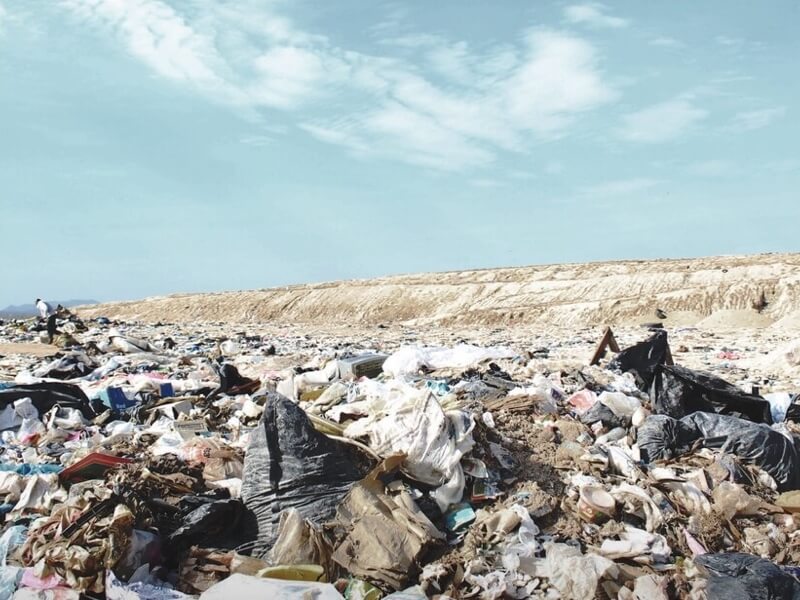
Waste can be problematic for many different reasons. The two most noticeable issues are that our waste pollutes the environment and uses up Earth’s limited natural resources.
We all must do our part by reducing unnecessary waste and recycling as much as possible. There are many items that you might think aren’t recyclable when in fact, they are.
Unless you live a zero-waste lifestyle which isn’t exactly a practical choice for most people, there is still scope for improvement in taking care of the environment and reducing waste.
While the idea of reducing your waste can be overwhelming, this list of tips for reducing waste is a great place to start.
Not only will reducing waste help protect the environment, but you can also actually save a good amount of money.
Our Top Tips for Reducing Waste
Avoid Buying Bottled Water
Over 7 billion plastic bottles are bought across the UK each year.
Starting off with a simple change you can make, stop buying bottled water. Tap water or even a water filter jug is much better for the environment and a much cheaper option.
In many cases, tap water is clean enough to drink as it is, especially throughout the UK. But for a cleaner, fresher tasting option, a water filter jug is definitely the way to go. Not only is this a great way to help overcome plastic waste at home, but it’s much easier than carrying heavy bottles of water back from the supermarket every week.
Avoid Excessively Packaged Food
A lot of food products in supermarkets are sealed in plastic packaging to give them a longer shelf-life. Cutting down on the amount of food you buy in supermarkets is an excellent way of reducing unnecessary waste. By avoiding processed, packaged food as much as possible, you will notice significantly less plastic waste at home.
Why not try making your own homemade meals and buying locally sourced produce from your butchers and markets where excessive plastic, cardboard and aluminium packaging is far less common than supermarkets.
Find Alternatives for Disposable Product
Swap out your disposable products for reusable options. Most single-use products that we commonly use have long-lasting, reusable alternatives.
A few examples include; razors, reusable coffee cups, rechargeable batteries, and refillable pens.
Recycling Old and Broken Electronics
We’re constantly upgrading and replacing phones, tablets and laptops every couple of years. Many phones end up gathering dust in draws, many get dropped or suffer some other damage, and we’re left with useless devices.
Many people don’t mind a slightly outdated model, so working devices are best donated. However, damaged goods should be recycled because there’s full of valuable recyclable materials, including plastic, glass and aluminium.
Use Reusable Carrier Bags (Bag for Life)
There has been a notable reduction in disposable carrier bags since introducing the 5p charge for them in shops, but it’s worth mentioning anyway. Make sure you use reusable shopping bags (“bag for life”) instead of buying new plastic carrier bags after every “big shop”. Keep a few of them in the car boot, so you don’t forget them.
Read E-Books and Listen to Audiobooks
We all like a good paper book, but why not try reading ebooks on a Kindle or iPad and listening to audiobooks through services such as Audible instead of reading the paper copy. Ebooks and audiobooks are great, too; both are perfect for when you’re on the go, and you don’t have to worry about losing your page.
Read the News Online
There’s an endless amount of news content online these days on smartphone apps and on websites. To save paper, get into reading online news instead of buying a newspaper. Millions of newspapers are printed in the UK every year. Not only is it easier to read the news online, but it also saves a lot of paper.
Donate Old Clothes
A lot of the clothing that we throw away hasn’t reached its “end of life”. Donate your good condition old clothes to local charity shops. You could also drop off your unwanted clothes at recycling points and clothing and textile banks in supermarkets and local car parks
Avoid Wasting Food
Every year in the UK, we throw away £12.5 billion worth of good food, costing the average family almost £60 a month. (Source: recyclenow.com>).
You can make your food go further and turn it into some surprisingly good dishes. There are some great leftover food recipes and ideas out there; check out the recipes on lovefoodhatewaste.com for inspiration.
Stop Unwanted Mail
Are you constantly getting catalogues and magazines that you don’t even look at? Take the time to cancel subscriptions and stop regular mail that you’re no longer interested in. It can be as simple as going online or contacting the sender by phone to be removed from a mailing list. It can be a bit of an inconvenience to get sorted. Still, the amount of paper waste you produce will be cut significantly.
Choose Natural Alternatives
A shift towards buying all-natural, reusable items can help decrease our overall waste output. An excellent example of this is using 100% organic cotton dish towels is a perfect substitute for paper towels, as you can repeatedly throw them in with a load of laundry.